

If you’ve been watching AI headlines and wondering how people actually land jobs building these systems, you’re asking the right question at the right time. Machine learning engineering is one…

BI Developer: Roles, Responsibilities, Skills, How To Become?
5 min read
5,828 views
8 likes

Business Intelligence (BI) has become a crucial element for companies aiming to harness their data to make informed decisions. Among the key roles within this field is the Business Intelligence Developer.
This article delves into the world of BI developers, their roles, skills, and how to become one, providing a comprehensive guide for aspiring professionals.
Who Is a Business Intelligence Developer?
A Business Intelligence (BI) Developer is a specialist responsible for creating, implementing, and managing BI solutions that empower businesses to make data-driven decisions. They play a vital role in transforming raw data into meaningful insights through data visualization, reporting, and analytics.
BI developers design and develop data models, establish databases, create complex queries, and design dashboards and reports. Their work ensures that businesses can interpret large amounts of data to identify trends, patterns, and insights that drive strategic decisions.
How to Become a BI Developer?
There’s no single path to becoming a BI developer. However, some common educational backgrounds include:
- Computer Science: A strong foundation in computer science principles is beneficial, especially in areas like database management and programming.
- Information Technology: An IT degree equips you with the technical skills needed to understand data infrastructure and system administration.
- Business Analytics: Understanding business processes and how data analysis can inform decision-making is a valuable asset for BI developers.
Beyond formal education, gaining practical experience is crucial. Consider internships or entry-level positions in data analysis, data warehousing, or BI teams. Additionally, pursuing certifications in popular BI platforms like Power BI or Tableau can significantly enhance your profile.
Who is a Power BI Developer?
A Power BI Developer focuses specifically on Microsoft’s Power BI platform, a powerful tool for data visualization and business analytics. Power BI developers leverage this tool to create interactive and insightful dashboards and reports. They are responsible for:
- Connecting to various data sources.
- Transforming and modeling data.
- Creating visualizations and reports.
- Implementing and managing Power BI solutions.
While a Power BI developer specializes in this particular tool, their core functions align closely with those of a BI developer, focusing on turning data into actionable insights.
Difference Between BI Developer and Power BI Developer
While both BI developers and Power BI developers share a common goal of making data accessible and understandable, there are distinct differences between the two roles:
- Scope of Tools: BI developers may work with a range of BI tools and platforms such as Tableau, QlikView, and SAP BusinessObjects, in addition to Power BI. On the other hand, Power BI developers specialize exclusively in Power BI.
- Skill Set: BI developers need a broad understanding of various BI tools and platforms, whereas Power BI developers need in-depth knowledge of Power BI’s features, DAX (Data Analysis Expressions), Power Query, and the Power BI Service.
- Integration: BI developers often deal with the integration of various BI tools within an organization’s existing infrastructure. Power BI developers focus on integrating Power BI with other Microsoft products like Azure, SQL Server, and Excel.
What Does a Business Intelligence Developer Do?
The daily tasks of a BI developer can be broadly categorized into three main areas:
- Data Analysis: Analyzing complex datasets to extract useful information and trends.
- Data Modeling: Designing and building data models that consolidate data from different sources.
- ETL Processes: Developing and managing ETL (Extract, Transform, Load) processes to ensure data is accurately and efficiently integrated into BI systems.
- Dashboard and Report Creation: Building interactive dashboards and reports that visualize data in a comprehensible way for stakeholders.
- Performance Tuning: Ensuring the BI solutions perform efficiently by optimizing queries and data models.
- Collaboration: Working with other departments to understand their data needs and providing them with tailored BI solutions.
- Maintenance and Troubleshooting: Regularly updating BI tools and addressing any issues that arise to ensure the reliability of BI solutions.
Skills of a Business Intelligence Developer
A successful BI developer requires a blend of technical and soft skills:
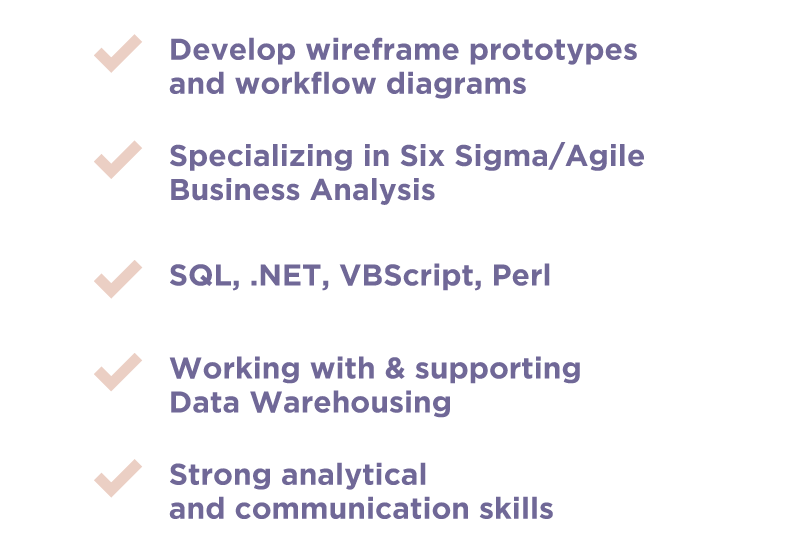
Technical Skills:
- Programming Languages (SQL, Python, etc.)
- Database Management Systems
- Data Warehousing Concepts
- Data Modeling Techniques
- Business Intelligence Tools (Power BI, Tableau, etc.)
- Data Visualization Techniques
Soft Skills:
- Business Acumen: Understanding how data can benefit different areas of the business.
- Communication Skills: Effectively translate complex data insights into clear and concise reports for both technical and non-technical audiences.
- Problem-Solving Skills: Identifying data-related challenges and developing solutions.
- Critical Thinking Skills: Analyzing data to uncover hidden patterns and trends.
Business Intelligence Developer Job Description
Here’s a glimpse into a typical BI developer job description:
- Design, develop, implement, and maintain BI systems and tools.
- Collaborate with business stakeholders to understand data needs and translate them into technical specifications.
- Develop data models and ensure data quality within the BI system.
- Create reports, dashboards, and other data visualizations for effective communication of insights.
- Troubleshoot issues, fix bugs and provide ongoing support for BI systems.
- Stay updated on the latest BI trends and technologies.
In an era where data is a pivotal asset, Business Intelligence developers play a crucial role in helping organizations harness the power of their data. Whether through a broad scope of BI tools or specialized platforms like Power BI, these professionals turn raw data into actionable insights that drive business success.
Aspiring BI developers should focus on acquiring the necessary education, technical skills, and practical experience to thrive in this dynamic field. With the right skill set, BI developers can significantly impact their organizations by enabling data-driven decision-making and strategic planning.
Related Reads:
FAQs on Business Intelligence [BI] Developer
Can freshers become BI developers?
Absolutely! While experience is valuable, many companies are open to freshers with a strong foundation in computer science, and data analysis, and a willingness to learn BI tools like Power BI.
What skills do I need as a fresher BI developer?
Focus on core skills like SQL, database fundamentals, and data visualization techniques. Building projects using free BI tools showcase your initiative.
Are certifications necessary for freshers?
Certifications are not mandatory but demonstrate your commitment to the field. Consider entry-level certifications for Power BI or Tableau.
What projects can I do as a fresher BI developer?
Look for open-source datasets online and build dashboards or reports to practice data analysis and visualization.
How can I prepare for BI developer interviews as a fresher?
Brush up on SQL queries, understand data modeling concepts, and practice explaining data insights clearly. Research common interview questions for freshers.
What are career growth options for BI developers?
With experience, you can progress to senior BI developer roles or specialize in areas like data warehousing or data governance.
Are there online resources for freshers interested in BI?
Numerous online resources offer tutorials, courses, and practice exercises for aspiring BI developers. Utilize online learning platforms and communities.
Latest Posts
How to Become a Digital Marketer: Step-by-Step Career Guide
If you’ve typed “how to become a digital marketer” into Google, you’ve probably landed on a dozen conflicting answers; some say a free YouTube playlist is enough, others insist you…
Graduated. Taking a Gap Year. Now What?
You’ve just graduated; everyone around you is either starting a job or prepping for another exam, and you’re quietly wondering whether taking a year off is a smart reset or…
AI Jobs Are Booming in India: Here’s How to Land One in 2026
If you’ve been scrolling job portals wondering whether “AI jobs” are actually real career options or just buzzword listings, here’s the short answer: they’re very real, and they’re growing faster…
How to Optimize Your LinkedIn Profile as a Fresher
A standout LinkedIn profile as a college student combines a professional photo, a keyword-rich headline that goes beyond your default student title, a first-person summary highlighting your projects and coursework,…
Popular Posts
What is SSC CGL Exam? – Complete Details for 2026
If you’re a college student or a fresh graduate wondering, “Should I appear for SSC CGL?” you’re in the right place. Every year, over 30 lakh students apply for this…
How to Make a Fresher Resume That Recruiters Notice
If you are a college student or a fresher stepping into the professional world, creating a well-structured resume is your first step to success. A polished and ATS-friendly resume can…
Engineering Student Resume: A Complete Guide for BTech Freshers
Engineering is a highly competitive field, with more than 1.5 lakh students graduating every year in India. That is why a strong engineering student resume is essential to secure a…
Best Fintech Companies for Freshers to Work at in India
India is one of the fastest-growing fintech markets in the world, with over 10,000 registered fintech startups and a market valuation projected to cross $150 billion by 2025. For freshers…
How to Find Off Campus Placement in 2026
You’ve just completed your degree, or you’re in your final year, and you realize your college’s placement cell might not be enough. Maybe your college doesn’t have top recruiters visiting,…