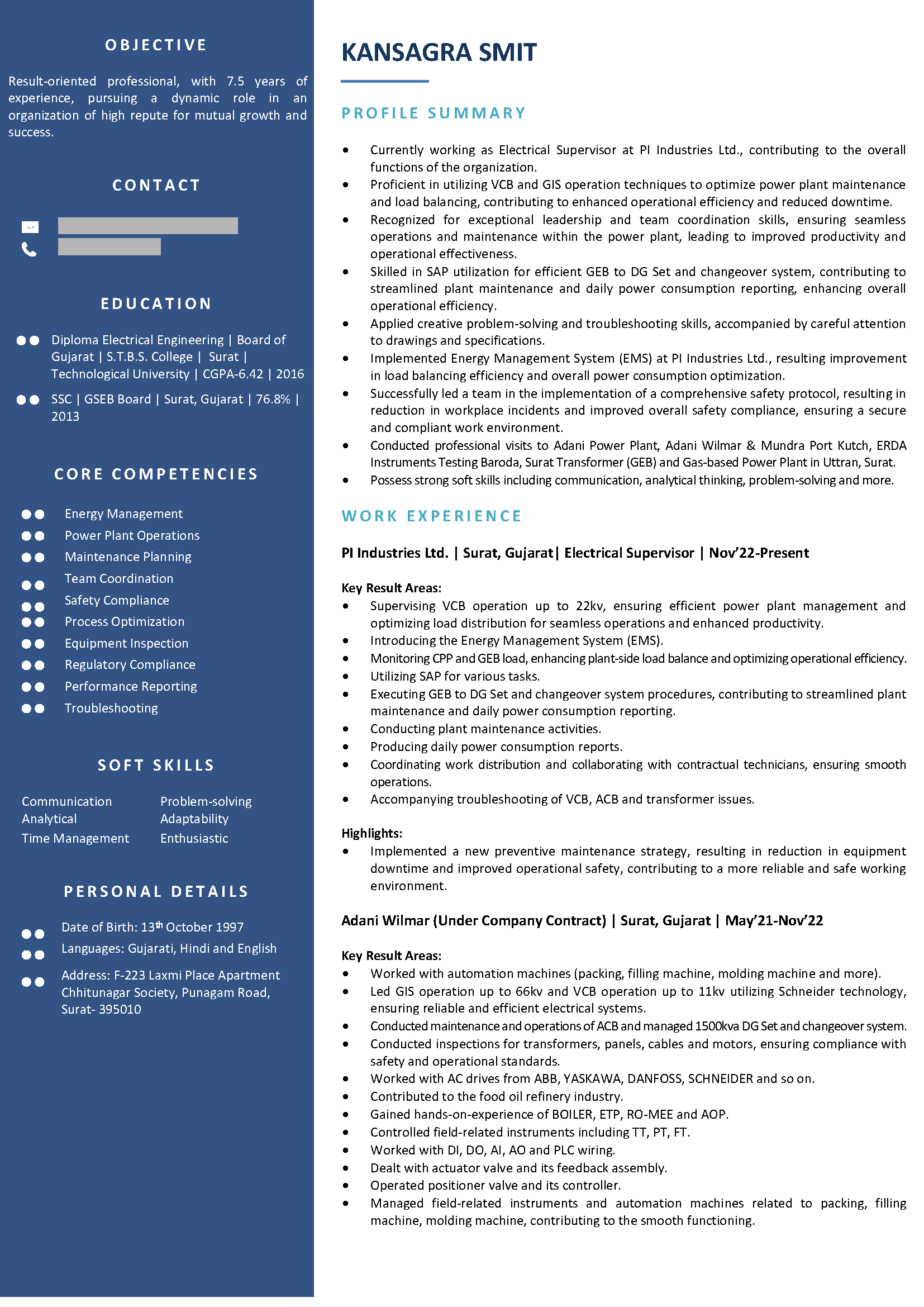
If you want to land a job as an electrical engineer, your electrical engineer resume is one of the most essential tools you will need. A well-structured resume template highlights your skills, experience, and qualifications so that it stands out to employers. In this article, we'll give you tips for writing a successful electrical engineer resume and how to include key sections to help you get noticed.
Who is an Electrical Engineer?
Electrical engineers apply the principles of electricity, electronics, and electromagnetism to develop electrical products and systems. The roles and responsibilities of an electrical engineer include:
· Designing and improving electrical products and systems
· Establishing manufacturing processes
· Evaluating systems' safety, reliability, and performance
· Performing risk assessments and guaranteeing compliance with safety standards and electrical engineering codes
· Conducting research to create new applications
Why is an Electrical Engineer Resume Important?
As the future grows towards going digital, electrical engineering will stay on the list of professions in increasing demand. Thus, in this competitive sector, to stand out, your resume should be above par. It's important for an electrical engineer's resume to highlight your technical skills and experience, written according to the job description.
How to Write an Electrical Engineer Resume
Writing an electrical engineer resume involves highlighting your technical skills, career achievements, and passion. Here's what to include in each section of your resume format:
Contact Information
The contact information section is important and the simplest in a resume format. It is placed at the top of your resume for easy access. All contact details are added here, and you must ensure that they are up-to-date and error-free.
What to include:
· Full name
· Email address (professional format)
· Phone number
· Location
· Resume Objective/Summary
Your resume objective or summary is a statement that sums up your expertise, key achievements, and career goals. This section is your opportunity to quickly grab the attention of recruiters by showcasing your strengths.
Example:
| A results-driven Electrical Engineer with 4 years of experience in circuit design, system optimization, and troubleshooting. Proficient in utilizing industry-standard software and tools to improve system efficiency and reliability. |
Work Experience
The work experience section is the heart of your resume. It focuses on your achievements in each electrical engineer position, highlighting specific projects where you made a significant impact. Quantify your achievements using percentages, figures, or measurable results wherever possible.
Example:
Electrical Engineer | XYZ Technologies 2020 – Present · Designed and implemented electrical systems for a manufacturing facility, improving energy efficiency by 20% through optimized power distribution and lighting systems. · Managed and oversaw electrical aspects of automation projects, improving production line efficiency by 25% through system upgrades and integration. · Led the successful installation of a solar power system, contributing to a 30% reduction in the facility's electricity costs. |
Skills
List all the skills of an electrical engineer that you possess here - soft and technical skills relevant to the job you're applying for. Emphasize the skills that directly align with the job description.
Technical Skills for an Electrical Engineer:
· AutoCAD
· Circuit Design
· Electrical measurements
· Orcad
· Microcontrollers
· PCB Design
· Programmable Logic Controllers (PLC)
Soft Skills for an Electrical Engineer:
· Problem-Solving
· Communication
· Attention to Detail
Other Sections
To enhance your resume even more, consider including additional sections in your resume format, such as:
1. Certifications
Certifications highlight your expertise and commitment to professional development. The following certifications can help elevate your resume:
· Professional Engineer (PE) License
· Project Management Professional (PMP)
· AutoCAD Certified Professional
· OSHA Construction Safety Certification
2. Volunteer Experience
Volunteering is a good way to show your commitment to the community. If you've worked on projects involving construction or infrastructure, even on a volunteer basis, include them in this section.