

Engineering is a highly competitive field, with more than 1.5 lakh students graduating every year in India. That is why a strong engineering student resume is essential to secure a…


Good Resume vs. Bad Resume – A Fresher’s Guide
4 min read
3,650 views

Congratulations on graduating! Now comes the exciting (and sometimes daunting) task of landing your first professional role. Your resume is the frontline soldier in this battle, the first impression that grabs the attention of potential employers. But with so many applications flooding in, how do you make yours stand out?
The answer lies in crafting a powerful resume that showcases your skills and achievements, separating you from the crowd. This guide will equip you, the savvy fresher, with the knowledge to differentiate between a resume that gets you interviews and one that gets lost in the pile.
Good vs. Bad Resume – Key Differences
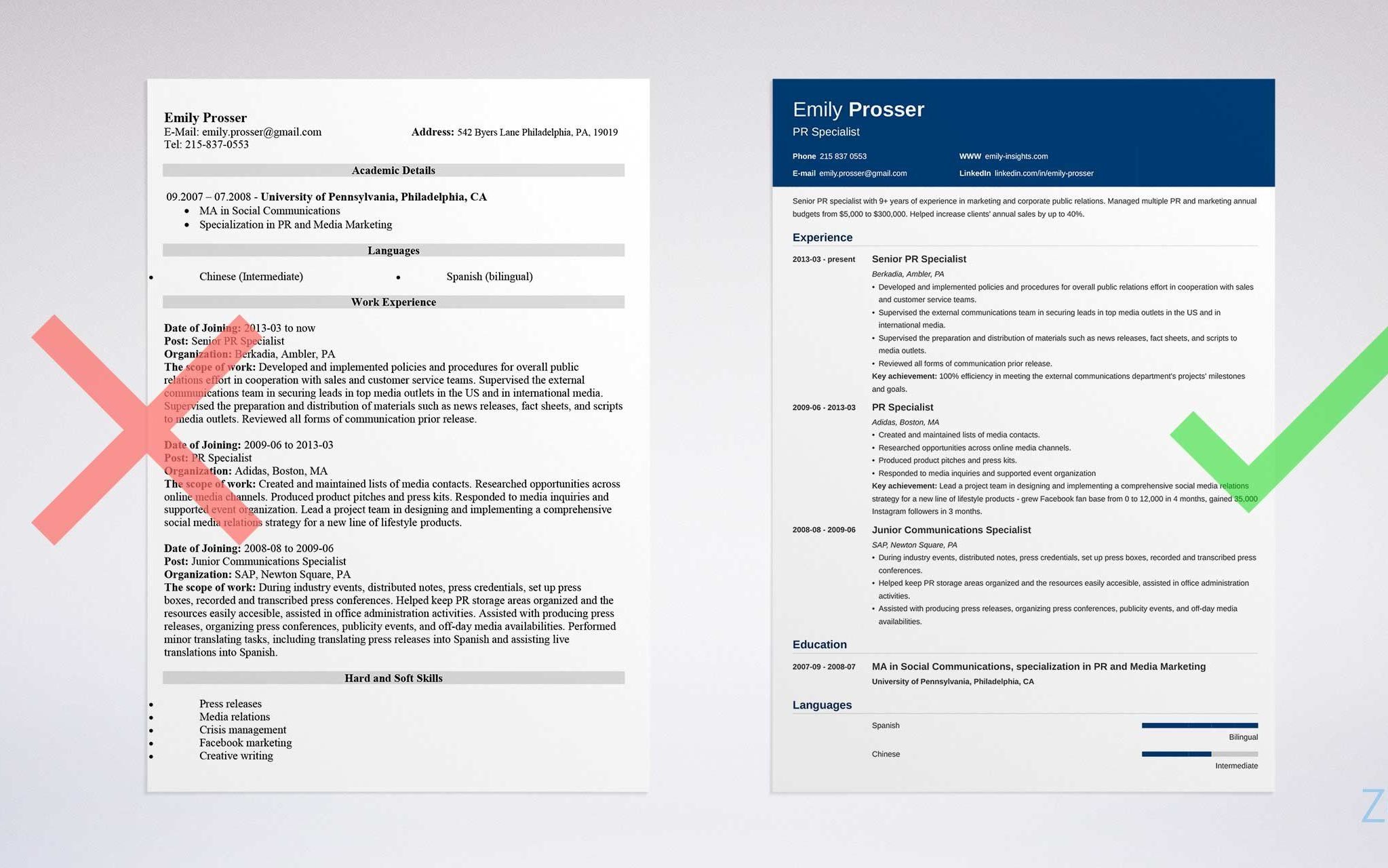
Think of your resume as a billboard. It needs to be clear, concise, and impactful within a short timeframe. Let’s break down the key elements that differentiate a good resume from a bad one:
Content
- Good: Tailor your resume to the specific job. Highlight skills and experiences directly relevant to the position you’re applying for. Use keywords from the job description throughout your resume.
- Bad: Generic and one-size-fits-all. Avoid generic descriptions and responsibilities unrelated to the job. Don’t overload with irrelevant skills or experiences.
Formatting
- Good: Easy to read and navigate. Use clear headings, bullet points, and consistent formatting. Maintain a professional font (e.g., Arial, Times New Roman) and readable font size (10-12 pt).
- Bad: Cluttered and hard to follow. Avoid fancy fonts, graphics, or excessive text blocks. Inconsistent formatting makes it difficult for Applicant Tracking Systems (ATS) to scan your resume.
Achievements
- Good: Quantifies accomplishments with numbers and data. Highlight specific achievements using metrics (e.g., Increased website traffic by 20% through SEO strategies).
- Bad: Focuses solely on responsibilities. Don’t just list your job duties; showcase how you excelled in those roles. Use action verbs to describe your achievements.
Keywords
- Good: Optimized with relevant keywords. Include industry-specific keywords and skills mentioned in the job description. Use a mix of general and specific keywords.
- Bad: Lacks relevant keywords. The ATS might overlook your resume if it doesn’t contain the right keywords. Don’t keyword stuff; focus on natural integration.
Proofreading
- Good: Error-free and polished. Proofread meticulously for typos, grammatical errors, and spelling mistakes.
- Bad: Contains typos and grammatical errors. Errors create a negative first impression and signal a lack of attention to detail.
Building Your All-Star Resume: Essential Sections for Fresh Graduates
Now that you understand the core differences between a good and a bad resume, let’s delve into the essential sections you, as a fresh graduate, need to focus on:
- Contact Information: Make it easy for employers to reach you. Include your full name, professional email address (avoid using nicknames), and phone number.
- Professional Summary (Optional): A brief (3-4 sentence) overview of your skills, experience, and career goals. Tailor it to the specific job you’re applying for.
- Education: List your college degree, including the university name, major, graduation date, and any relevant coursework or academic achievements.
- Skills: Highlight your key skills relevant to the job you’re applying for. Categorize them (e.g., Technical Skills, Soft Skills) and use a combination of hard skills (e.g., software proficiency) and soft skills (e.g., communication, teamwork).
- Work Experience (if applicable): List any previous work experience, including internships, volunteer work, or part-time jobs. Focus on relevant responsibilities and accomplishments.
- Projects (Optional): Showcase relevant projects you’ve undertaken during college, highlighting the skills you gained and the impact of your work.
- Activities and Awards (Optional): Include extracurricular activities, leadership roles, or relevant awards that demonstrate your well-roundedness and transferable skills.
Your resume is more than just a piece of paper – it’s your branding tool in the competitive landscape of job hunting. By understanding the disparities between a good and bad resume, you can elevate your candidacy and stand out to potential employers. Remember, crafting a stellar resume is a journey of self-discovery and refinement.
FAQs on Good Resume vs. Bad Resume
What are the biggest mistakes on a bad resume?
Bad resumes are generic, with typos and a confusing layout. They lack action verbs and quantifiable achievements, making it hard for recruiters to see your value.
How long should a resume be for a fresher?
Fresh graduates should aim for a concise, one-page resume. Focus on highlighting your most relevant skills and experiences with impactful language.
What are the best action verbs for a resume?
Strong action verbs showcase your initiative. Use verbs like “managed,” “spearheaded,” “developed,” “increased,” “optimized,” and “demonstrated” to describe your achievements.
Should I include a resume objective?
A resume objective is optional for freshers. It can be helpful if you’re unsure of your specific career path, but a strong summary highlighting skills is often more effective.
How can I make my resume ATS-friendly?
Applicant Tracking Systems (ATS) scan resumes for keywords. Include relevant keywords from the job description throughout your resume, especially in your skills section and experience descriptions.
What are some good skills to list on a fresher resume?
Highlight a mix of hard skills (e.g., software proficiency) and soft skills (e.g., communication, teamwork). Consider skills relevant to the job you’re applying for and those you developed during your education or projects.
Is it okay to lie on my resume?
Absolutely not. Lying on your resume can lead to disqualification or even termination if discovered later. Be honest and focus on highlighting your genuine skills and experiences.
Where can I find free resume templates?
Many online resources offer free resume templates. Look for websites with professional, clean designs that cater to fresh graduates.
Latest Posts
What Is a Good ATS Score? Full Benchmarks Guide
A good ATS score is generally 80 or above out of 100; this range typically indicates your resume is well-formatted for automated parsing, relevant to the role you’re applying for,…
How to Improve Your Resume Score to 90+ (Step-by-Step)
To improve your resume score to 90+, you need to fix issues in a specific order — ATS parsing and formatting first, then keyword relevance, then content quality — because…
Job Profile vs Job Description: Which One Should You Read First?
Entering the job market as a fresher can be daunting. Your resume is the first impression you make on potential employers, so it’s essential to craft it meticulously. Understanding the…
How to Write an ATS-Friendly Resume? – Best Tips and Samples
In today’s competitive job market, fresh graduates often face significant challenges in landing their first job. A major hurdle is getting past the initial resume screening, usually handled by Applicant…
Popular Posts
How to Pass the TCS NQT Aptitude Test?
Every year, lakhs of engineering and graduation students apply to TCS, one of India’s largest IT employers. And almost every single one of them hits the same first wall: the…
What is SSC CGL Exam? – Complete Details for 2026
If you’re a college student or a fresh graduate wondering, “Should I appear for SSC CGL?” you’re in the right place. Every year, over 30 lakh students apply for this…
How to Make a Fresher Resume That Recruiters Notice
If you are a college student or a fresher stepping into the professional world, creating a well-structured resume is your first step to success. A polished and ATS-friendly resume can…
Engineering Student Resume: A Complete Guide for BTech Freshers
Engineering is a highly competitive field, with more than 1.5 lakh students graduating every year in India. That is why a strong engineering student resume is essential to secure a…
Best Fintech Companies for Freshers to Work at in India
India is one of the fastest-growing fintech markets in the world, with over 10,000 registered fintech startups and a market valuation projected to cross $150 billion by 2025. For freshers…