







Introduction
In this article, we will learn Sprague Grundy Theorem which comes under the topic of Game Theory and questions based on game theory are quite frequent in competitive programming.
Why do we need game theory?
If I tell you that you can predict the winner of a game without even playing, then wouldn’t it be amazing. With the game theory concepts and theorem, we can determine this mathematically in combinatorial games.
Before stating a formal definition of the Sprague grundy theorem, I will introduce some terms which you need to know to understand the theorem.
-
Combinatorial games
The games in which there is no chance or luck involved and the outcome of winning or losing is deterministic are said to be combinatorial games. Now, since the outcome is deterministic, we can analyse these games mathematically. The players don’t play simultaneously, rather they play turn by turn. Examples can be chess, tic-tac-toe, checkers etc.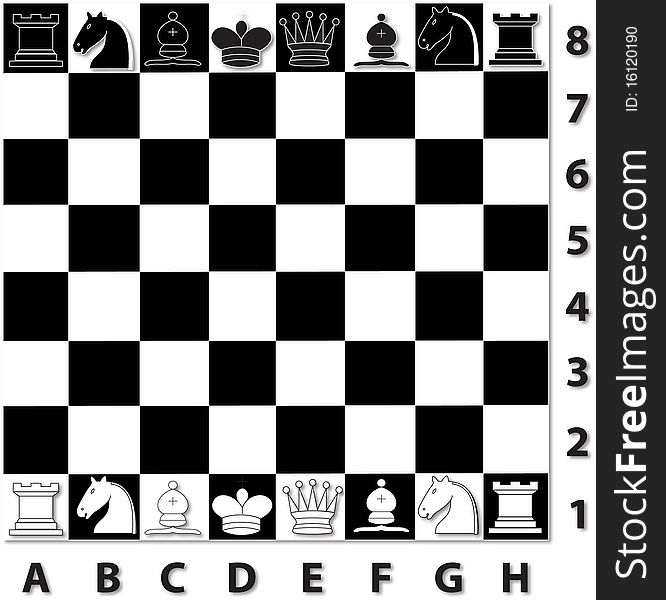
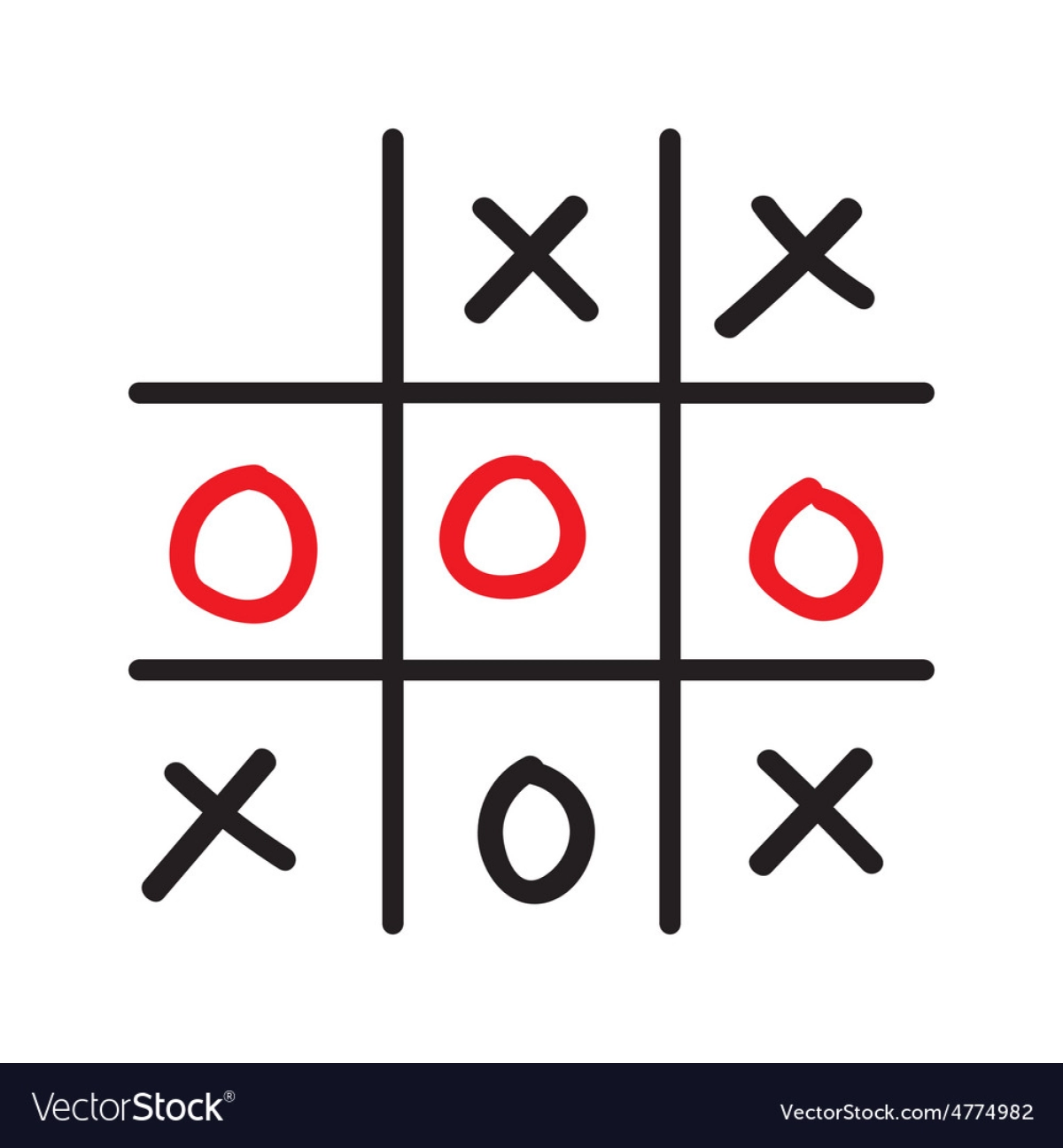
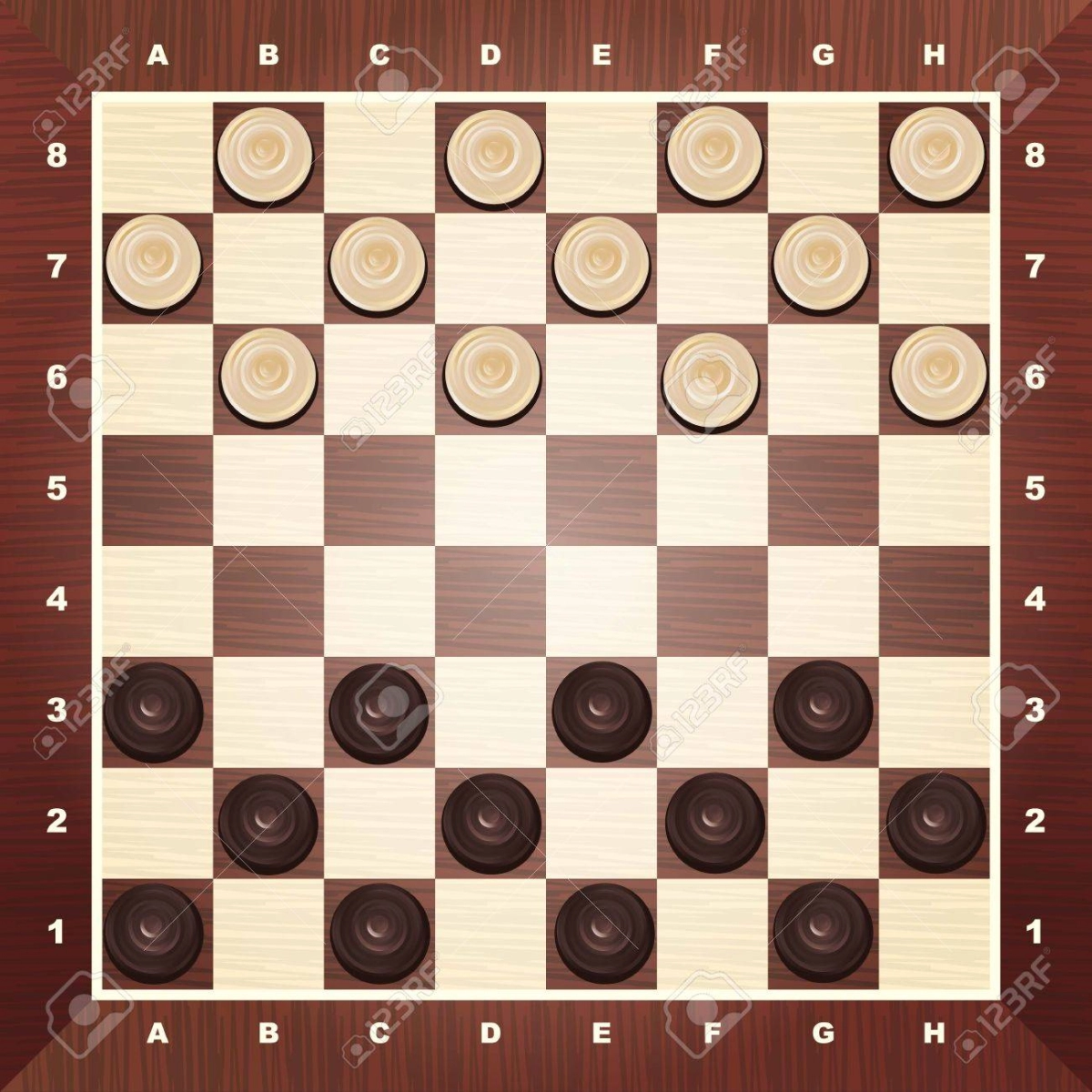
Chess Tic-Tac-Toe Checkers
-
Impartial Games
Impartial games are two-player games in which both the players play optimally and make moves in alternate turns. It is one of the types of combinatorial games. Additionally, the allowed moves for a player does not depend on the identity of the player but it just depends on the state of the game. The last player to move is the winner of the game.
For example, in chess, both the players are unique and have two different sets of pieces (black and white). So, they can only move those pieces which belong to them and not those of the opposite player. So, here the moves depend on the player’s identity, so it is not an impartial game. Next, Tic-tac-toe is also not an impartial game as the two players have different symbols (noughts and crosses).
One of the most famous examples of impartial games is Game of Nim.
-
MEX(Minimum Excluded)
For a set of non-negative integers, MEX is defined as the smallest non-negative value that does not belong to the set.
Example -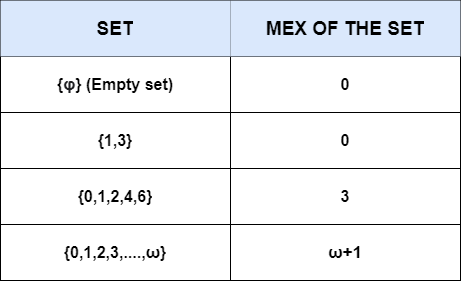
-
Grundy Numbers
A grundy number is used to define the entire game state. Every impartial game has a grundy number. Grundy number is equal to the MEX of all the possible states we can reach from the current state by the allowed moves. If the resultant grundy value is non-zero, then the current player wins; otherwise, the current player loses if it is zero.
For example, in the game of nim, if there are 4 coins initially in a pile, then we will find Grundy(4) to determine which player will win. In the game of nim, a player can remove 1 or 2 or 3 coins at a time.
| Grundy(4) = MEX { Grundy(4-1), Grundy (4-2), Grundy(4-3) } = MEX{ Grundy(3), Grundy(2), Grundy(1) } |
As you can see, we got a recursive relation. So, now we need to calculate Grundy(3), Grundy(2) and Grundy(1).
What is the base case of this recursion?
If, in the game of nim, the number of coins in a pile is zero initially, then it means the first player can’t move, and thus he loses while the second player wins. So, Grundy(0) is 0.
|
Grundy(1) = MEX{ Grundy(0) } = MEX{ 0 } = 1 Grundy(2) = MEX{Grundy(1) , Grundy(0) } = MEX{ 1, 0} = 2 Grundy(3) = MEX{Grundy(2), Grundy(1) , Grundy(0)} = MEX{2,1,0} = 3 So, Grundy(4) = MEX{ Grundy(3), Grundy(2), Grundy(1) } = MEX{ 3,2,1} = 0 |
Since Grundy(4) is zero so the first player will lose the game.
Now, if we modify the game of nim such that now instead of only one pile, we have N piles, how to determine the winner?
This is where we will use Sprague Grundy Theorem.
Sprague Grundy Theorem
The theorem states that in a composite game if the XOR of the grundy values of each of the sub-games is non-zero, the player starting first will win. And if the XOR value is zero, then the first player will lose.
Example - Consider three piles with 3, 4 and 5 coins in each pile, respectively.
|
Xor value = Grundy(3) xor Grundy(4) xor Grundy(5) = 3 xor 0 xor 1 = 2 |
Since the xor value is non-zero, so the player who starts first will win the game.
Let’s see the code implementation in the next section.


 1+ registered

