




Tizen, an open-source operating system supported by major tech players like Samsung and Intel, powers Samsung smart devices as an alternative to Android.
As a newcomer, Tizen aims to offer numerous apps, smooth performance, and strong security, potentially leading to more choices and better devices. Understanding Tizen's basics is essential for familiarizing oneself with its features and potential impact on future devices.
This article gives brief information about the Tizen os and its features, capabilities, and application of the Tizen os.
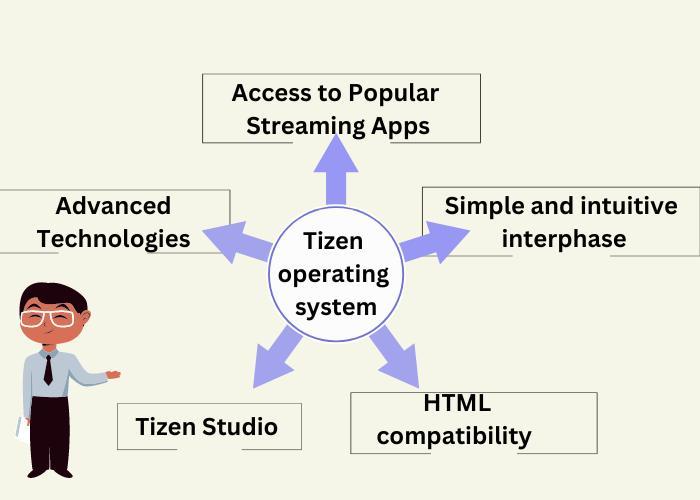
Tizen OS is an open-source operating system developed by Samsung and the Linux Foundation for smart devices, offering an intuitive interface for content streaming and controlling smart home devices. Tizen also powers many Samsung wearables, like the Galaxy Watch.
On mobile devices like the Samsung Z series, Tizen OS aims to provide a simplified experience focused on your key tasks. It includes an app store with essentials like messaging, navigation, music and video streaming, and fitness tracking. Although the app selection is smaller than Android or iOS, many popular services are available.
Tizen OS may need more flexibility or app abundance than its competitors, but it gets the job done for intelligent, simplified experiences on your Samsung devices. Samsung continues improving Tizen by releasing frequent updates to enhance functionality, fix bugs, and boost security.
So if you value optimized performance, streamlined interfaces, and longer battery life over a sea of apps, Tizen OS is worth paying attention to. It powers some of the world's most popular connected devices and helps put the smart in Samsung.
History of Tizen Operating System
Tizen is an open-source operating system based on Linux, developed by the Linux Foundation with significant contributions from Samsung and Intel. Its origins trace back to the LiMo Foundation, established in 2007, and the 2010 merger of Nokia's Maemo and Intel's Moblin projects into MeeGo. Tizen was officially announced in 2011, incorporating efforts from these predecessors to create a flexible platform for various devices, including smartphones, tablets, in-vehicle infotainment systems, smart TVs, and wearables. The first version, Tizen 1.0, was released in 2012, followed by continuous improvements and the launch of the Tizen SDK 2.0 in 2013.
Samsung played a crucial role in Tizen's development, using it for a range of smart devices. The Samsung Gear 2 smartwatch, released in 2014, marked Tizen's entry into the wearable market, followed by the launch of the Samsung Z1 smartphone in 2015. Tizen was also adopted for Samsung's Smart TV line in 2015 and expanded to other smart appliances and IoT devices. With ongoing enhancements in security, cross-platform capabilities, and support for a wider range of devices, Tizen continues to be a robust and adaptable platform, integral to Samsung's smart device ecosystem and the broader IoT landscape.
Development of the Tizen Operating System
Tizen operating systems have gone through various development and is constantly getting developed with time. It has gone through various developments like:
- Tizen tablet
- Gear 2 Smartwatch
- Qt for Tizen
- Samsung Connect Auto
We will discuss each one of them in detail:
Tizen Tablet
The Tizen tablet marked an important milestone in expanding Tizen's presence in the mobile device market. Designed to compete in the tablet sector, Tizen tablets showcased the operating system's adaptability for larger touchscreens and mobile computing needs. This helped establish Tizen as a viable alternative to more established mobile operating systems, providing a platform for innovative applications and user experiences in a larger form factor.
Gear 2 Smartwatch
The Gear 2 Smartwatch, released by Samsung in 2014, was another significant development for Tizen. As Samsung's flagship wearable device, it demonstrated Tizen's capabilities in the wearable tech market. The Gear 2's success underscored Tizen's efficiency and suitability for compact, resource-constrained devices, promoting further innovations in the smartwatch industry. This product helped solidify Tizen's role in the burgeoning market for wearable technology.
Qt for Tizen
Qt for Tizen was an initiative to integrate the popular Qt framework with the Tizen operating system. This development aimed to attract more developers by allowing them to use the powerful and versatile Qt development tools to create applications for Tizen devices. By leveraging Qt's cross-platform capabilities, Qt for Tizen made app development more accessible and encouraged broader adoption of the Tizen platform, enhancing its appeal to the developer community.
Samsung Connect Auto
Samsung Connect Auto utilized Tizen to provide a comprehensive connected car solution. Announced in 2016, this device plugged into a vehicle's OBD-II port, offering features such as vehicle diagnostics, Wi-Fi hotspots, and driving analytics. It showcased Tizen's potential in the automotive sector, contributing to the growing ecosystem of Internet of Things (IoT) devices powered by Tizen. Samsung Connect Auto highlighted the versatility of Tizen in providing smart, connected solutions beyond traditional consumer electronics.


 7+ registered

