


 Try this free template
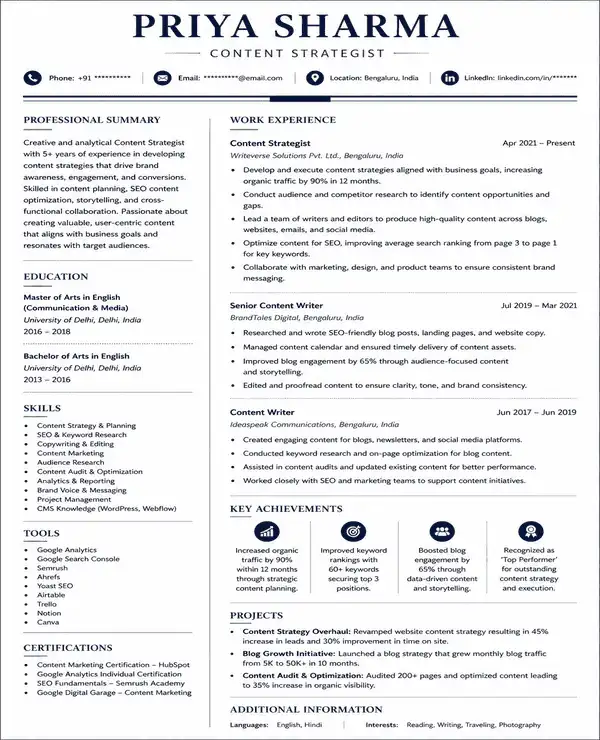
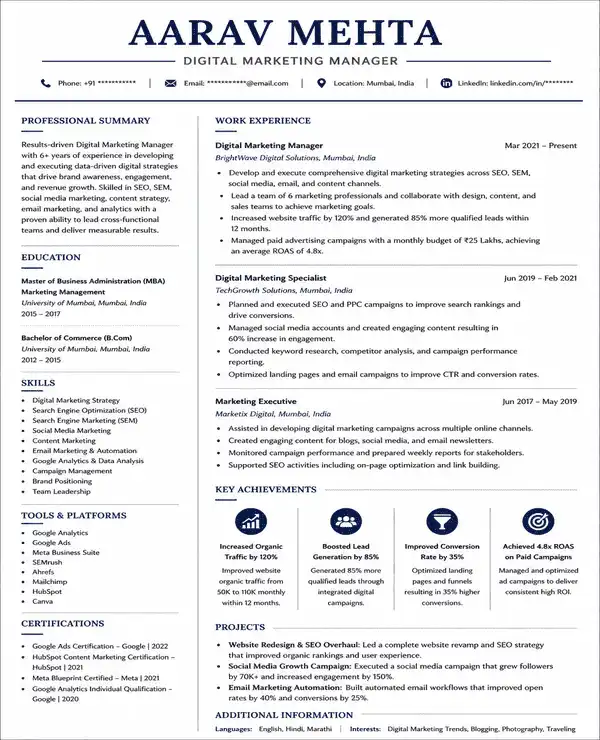
Heritage
Classic corporate design for senior roles
Choose from professionally designed traditional resume templates that meet modern hiring and ATS standards. Customize for free and download in PDF or DOC format.
Try this free template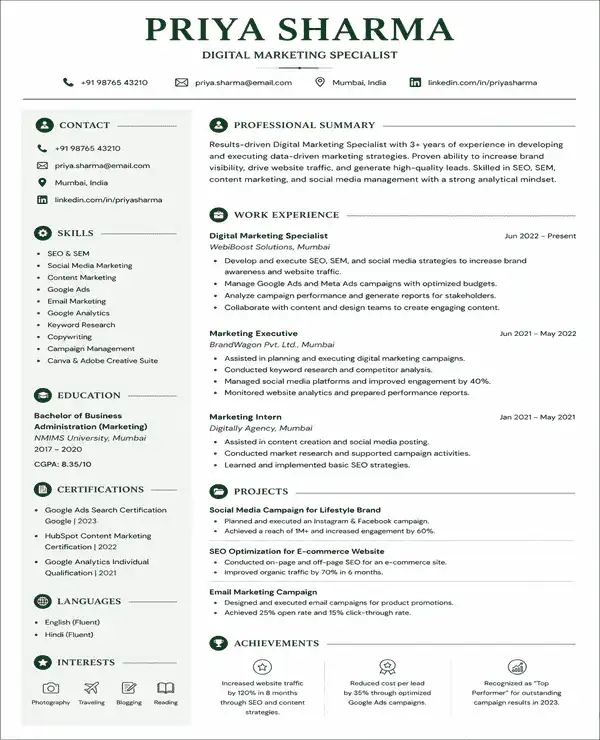 Try this free template
 Try this free template
 Try this free template
 Try this free template
 Try this free template
 Try this free template
 Try this free template
 Try this free template
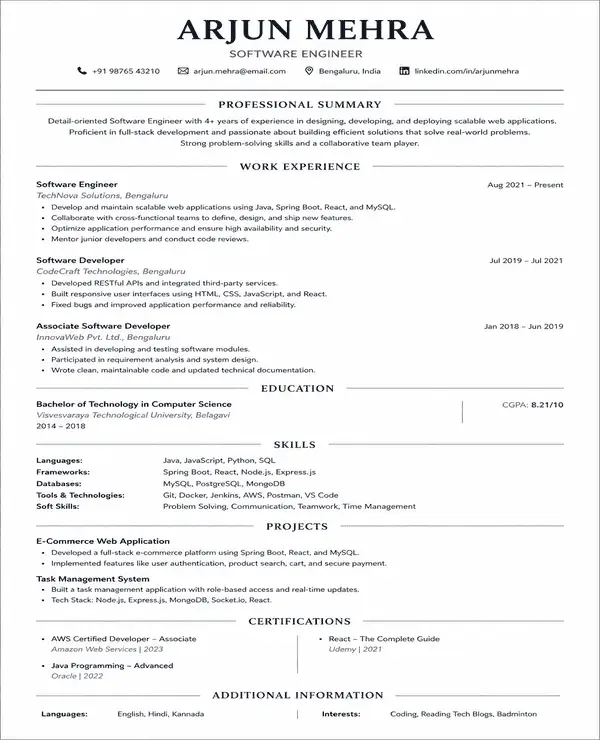
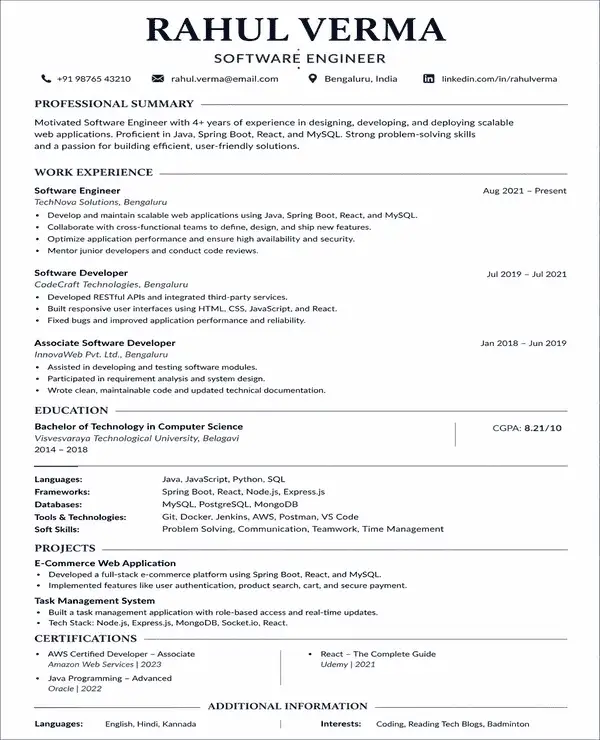
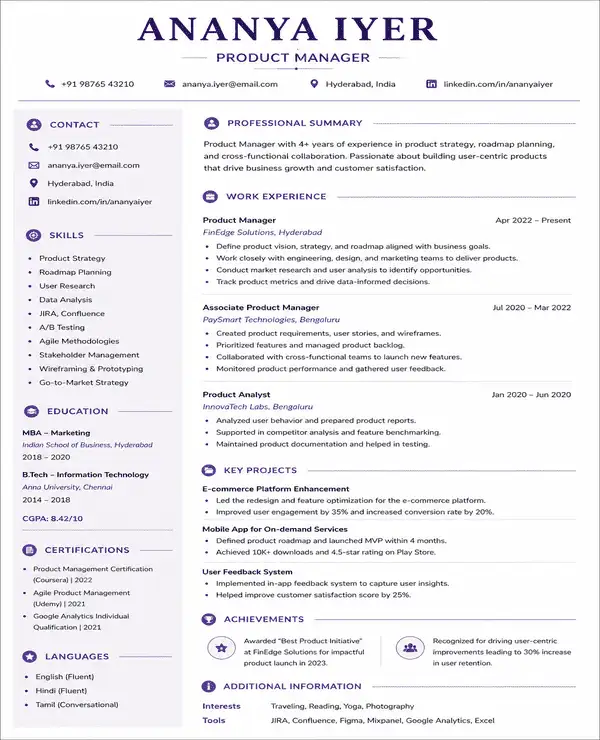
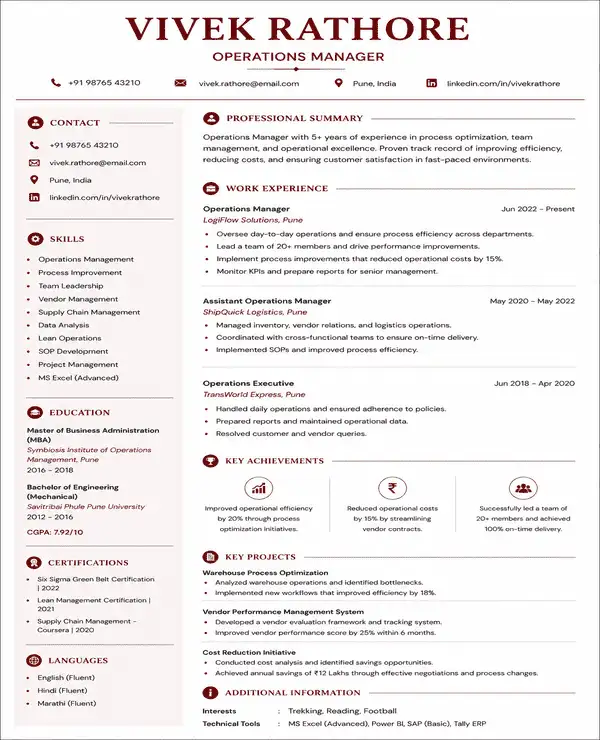
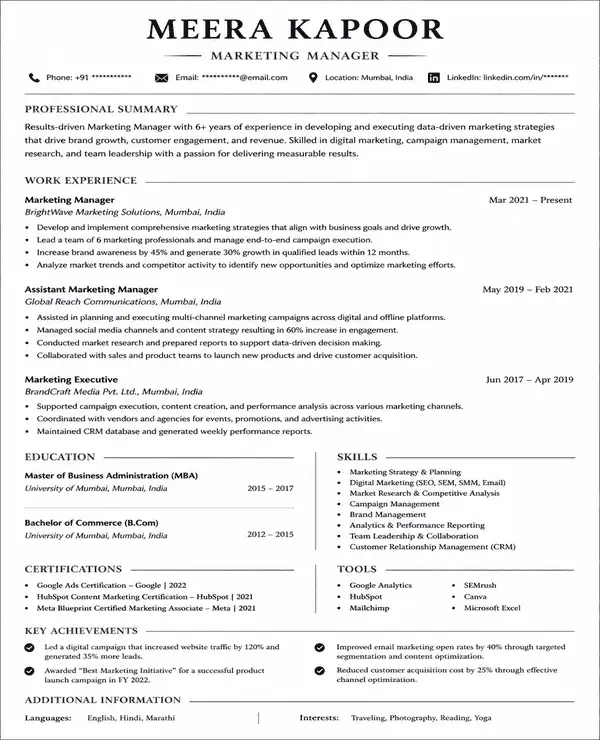
Traditional resume templates use a simple and professional design with minimal use of colours or heavy graphics. They are also known as classic resume templates. The terms “traditional” and “classic” generally refer to the visual style of the resume rather than a completely different type of resume.
Here are the key features of classic resume templates:
Yes. Traditional resume templates are one of the most ATS-friendly choices because their simple structure helps applicant tracking systems read and organize resume information correctly.
They also reduce common parsing issues that can occur with complex layouts. This makes them a reliable option for applications submitted through job portals and company career pages.
Traditional resume templates most commonly use the reverse-chronological format. This places your latest work experience first and then moves backward through earlier roles.
This traditional resume format works best for candidates with a steady career history because it makes recent experience and career progression easy to follow.
A classic resume format can also use:
A classic resume layout is built around a simple reading path. It usually starts with your professional identity and then moves into your career history before covering supporting details such as skills and education.
A typical classic resume layout includes:
Freshers can move education and projects higher, while senior professionals can give more space to leadership experience and major achievements.
A good classic resume layout follows a strict and consistent structure. It keeps the design understated so your experience and achievements remain the focus.
A strong traditional resume layout should:
A traditional resume format works best when your experience and career progression should take priority over design. Its familiar structure suits roles where a clear and professional presentation is expected.
Use a traditional resume format when:
Consider another resume style when:
Traditional resume templates are best suited to candidates who want a formal and structured way to present their experience, qualifications and career progression.
| Who It Is For | Why a Traditional Resume Works |
|---|---|
| Freshers | Gives internships and projects a clear order |
| Mid-level professionals | Shows career progression clearly |
| Experienced professionals | Provides enough space for a detailed work history |
| Managers and team leads | Makes leadership achievements easy to scan |
| Senior professionals | Organizes a longer career history in a familiar format |
| Government job applicants | Supports the formal presentation commonly expected in public-sector applications |
| Engineering professionals | Keeps technical experience and qualifications structured |
| Finance and consulting professionals | Fits industries where a formal and conservative presentation is common |
| Administration professionals | Presents detailed responsibilities and career history without visual distractions |
Traditional resume templates are a strong choice for many professional roles, but they are not suitable for every application. Consider these advantages and limitations before choosing one.
Choose a traditional resume template based on your experience level and how much information you need to present.
| Candidate | Recommended Style | Template |
|---|---|---|
| Freshers | Simple + clean layout | Legacy |
| Mid-level professionals | Classic theme | Regal |
| Experienced professionals | Text-based layout | Noble |
| Managers | Leadership layout | Monarch |
| Senior professionals | Classic senior-level design | Heritage |
| Corporate professionals | Minimal professional layout | Prestige |
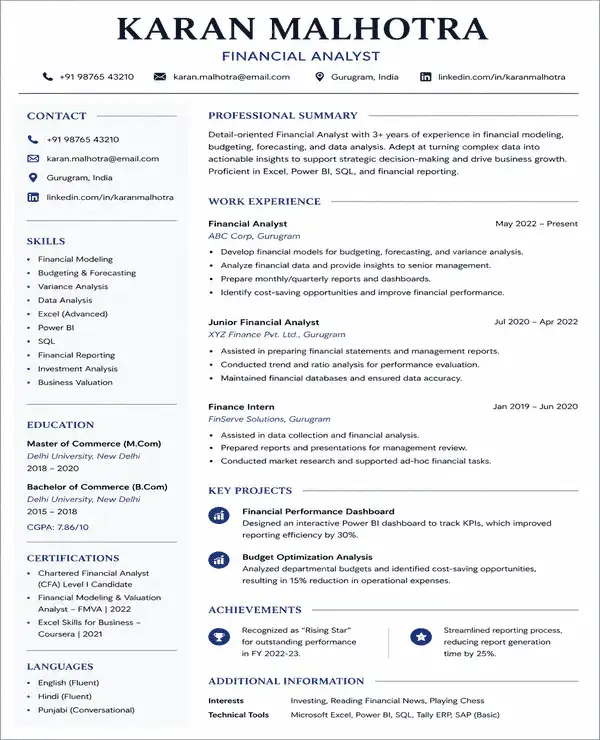
| Skill-heavy profiles | Two-column layout | Crown |
| Traditional professions | Single-column layout | Imperial |
Use our free classic templates and Naukri’s traditional resume builder to build a professional resume without formatting the document manually.
You can download any classic resume template for free after customizing it with your details. You can also upload the finished version to your Naukri profile so recruiters can view your latest resume directly.
A traditional resume should look formal without appearing dated. Keep these points in mind while customizing your template:
The traditional resume template made my profile look structured and professional. It was simple to edit and kept the focus on my experience.

I wanted a resume that looked formal without feeling outdated. The traditional template helped me present my work history clearly.
The format was clean and easy to scan. My experience, skills, and education all looked organised without too much design.
I preferred a straightforward resume for corporate roles. This template gave me a neat, professional layout without unnecessary elements.
Browse our complete library of professional templates
Make a clean and professional resume in minutes with Naukri’s traditional templates.
